
- Home
- MIA Membership
- Councils
- Governing Councils
- Semiconductors in AssamCouncil
- DeepTech in AssamCouncil
- Artificial Intelligence and Data Centre Council
- New and Renewable Energy Council
- AssamInfrastructure Council
- Robotics and Drones AssamCouncil
- AssamFisheries and Aquaculture Council
- AssamPort and Maritime Transport Council
- HeathTech in AssamCouncil
- EdTech in AssamCouncil
- Agriculture and Food Security Council
- FinTech in AssamCouncil
- MaterialTech in AssamCouncil
- MedTech in AssamCouncil
- Governance and Transparency Council
- AssamCultural and Tourism Council
- Youth Empowerment and Entrepreneurship Council
- Gender Equality and Women’s Empowerment Council
- AssamClimate Change and Resilience Council
- AssamTrade and Investment Council
- Global Capability Centre Council
- Entertainment and Events Council
- Global Trade Council Partnerships
- Australia China Chamber of Trade, Commerce and Industry
- Australia India Chamber of Trade, Commerce and Industry
- Australia India Seafood Industry Council (AISIC)
- Australia India Free Trade and Seafood Industry Advisory Group (AIFTSIAG)
- Australia Qatar Chamber of Trade, Commerce and Industry
- Australia Saudi Arabia Chamber of Trade, Commerce and Industry
- Australia Turkiye Chamber of Trade, Commerce and Industry
- Australia UAE Chamber of Trade, Commerce and Industry
- Australia USA Chamber of Trade, Commerce and Industry
- Australia Singapore Chamber of Trade, Commerce, and Industry
- Maritime Councils
- AssamPort and Maritime Transport Council
- Global South Chamber of Shipping
- International Chamber of Shipping
- The World Shipping Council
- International Maritime Organization
- Strait of Hormuz Cooperation and Arbitration Council
- Strait of Malacca Cooperation and Arbitration Council
- Bab-el-Mandeb Strait Cooperation and Arbitration Council
- Suez Canal Cooperation and Arbitration Council
- Bosporus Strait Cooperation and Arbitration Council
- Strait of Gibraltar Cooperation and Arbitration Council
- Panama Canal Cooperation and Arbitration Council
- Cook Strait Cooperation and Arbitration Council
- Governing Councils
- Policies
- Make in Assam Semiconductor Fabless Policy 2024-2030
- Make in Assam Data Centre Policy 2024-2030
- Make in Assam Information Technology Policy 2024-2030
- Make in Assam Multimodal Logistics Policy 2024-2030
- Make in Assam BPO and Global Capability Centre (GCC) Policy 2024-2030
- Make in Assam New and Renewable Energy Policy 2024-2030
- Make in Assam Biotechnology Policy 2024-2030
- Make in Assam Pharmaceuticals Policy 2024-2030
- Make in Assam DeepTech, AI, and Data Centre Policy 2024-2030
- Make in Assam Electronics Policy 2024-2030
- Make in Assam MedTech Policy 2024-2030
- Make in Assam Film and Media Policy 2024-2030
- Make in Assam FinTech Policy 2024-2030
- Make in Assam EdTech Policy 2024-2030
- Make in Assam Events and Tourism Policy 2024-2030
- Make in Assam Apparel and Technical Textiles Policy 2024-2030
- Make in Assam Aerospace and Defence Manufacturing Policy 2024-2030
- Make in Assam Fisheries Policy 2024-2030
- Make in Assam Special Economic Zone (SEZ) Policy 2024-2030
- AssamStartup Policy 2024-2030
- AssamMicro, Small, and Medium Enterprises (MSME) Manufacturing Policy 2024-2030
- Missions and Delegations
- Advocacy
- Make in Assam 2025
- Resources & News
- Business Resources
- Industry Jobs Board
- A Prosperous Future: Make in Assam Vision 2030
- Global South and Australia Building Economic Alliances
- Guwahati – An Investors Hub for India
- Make in Assam Economic Forum In The News
- Thought Leaders Podcasts and Articles
- Industry Reports
- Knowledge Co-Creation Programs
- Contact Us
- Home
- MIA Membership
- Councils
- Governing Councils
- Semiconductors in AssamCouncil
- DeepTech in AssamCouncil
- Artificial Intelligence and Data Centre Council
- New and Renewable Energy Council
- AssamInfrastructure Council
- Robotics and Drones AssamCouncil
- AssamFisheries and Aquaculture Council
- AssamPort and Maritime Transport Council
- HeathTech in AssamCouncil
- EdTech in AssamCouncil
- Agriculture and Food Security Council
- FinTech in AssamCouncil
- MaterialTech in AssamCouncil
- MedTech in AssamCouncil
- Governance and Transparency Council
- AssamCultural and Tourism Council
- Youth Empowerment and Entrepreneurship Council
- Gender Equality and Women’s Empowerment Council
- AssamClimate Change and Resilience Council
- AssamTrade and Investment Council
- Global Capability Centre Council
- Entertainment and Events Council
- Global Trade Council Partnerships
- Australia China Chamber of Trade, Commerce and Industry
- Australia India Chamber of Trade, Commerce and Industry
- Australia India Seafood Industry Council (AISIC)
- Australia India Free Trade and Seafood Industry Advisory Group (AIFTSIAG)
- Australia Qatar Chamber of Trade, Commerce and Industry
- Australia Saudi Arabia Chamber of Trade, Commerce and Industry
- Australia Turkiye Chamber of Trade, Commerce and Industry
- Australia UAE Chamber of Trade, Commerce and Industry
- Australia USA Chamber of Trade, Commerce and Industry
- Australia Singapore Chamber of Trade, Commerce, and Industry
- Maritime Councils
- AssamPort and Maritime Transport Council
- Global South Chamber of Shipping
- International Chamber of Shipping
- The World Shipping Council
- International Maritime Organization
- Strait of Hormuz Cooperation and Arbitration Council
- Strait of Malacca Cooperation and Arbitration Council
- Bab-el-Mandeb Strait Cooperation and Arbitration Council
- Suez Canal Cooperation and Arbitration Council
- Bosporus Strait Cooperation and Arbitration Council
- Strait of Gibraltar Cooperation and Arbitration Council
- Panama Canal Cooperation and Arbitration Council
- Cook Strait Cooperation and Arbitration Council
- Governing Councils
- Policies
- Make in Assam Semiconductor Fabless Policy 2024-2030
- Make in Assam Data Centre Policy 2024-2030
- Make in Assam Information Technology Policy 2024-2030
- Make in Assam Multimodal Logistics Policy 2024-2030
- Make in Assam BPO and Global Capability Centre (GCC) Policy 2024-2030
- Make in Assam New and Renewable Energy Policy 2024-2030
- Make in Assam Biotechnology Policy 2024-2030
- Make in Assam Pharmaceuticals Policy 2024-2030
- Make in Assam DeepTech, AI, and Data Centre Policy 2024-2030
- Make in Assam Electronics Policy 2024-2030
- Make in Assam MedTech Policy 2024-2030
- Make in Assam Film and Media Policy 2024-2030
- Make in Assam FinTech Policy 2024-2030
- Make in Assam EdTech Policy 2024-2030
- Make in Assam Events and Tourism Policy 2024-2030
- Make in Assam Apparel and Technical Textiles Policy 2024-2030
- Make in Assam Aerospace and Defence Manufacturing Policy 2024-2030
- Make in Assam Fisheries Policy 2024-2030
- Make in Assam Special Economic Zone (SEZ) Policy 2024-2030
- AssamStartup Policy 2024-2030
- AssamMicro, Small, and Medium Enterprises (MSME) Manufacturing Policy 2024-2030
- Missions and Delegations
- Advocacy
- Make in Assam 2025
- Resources & News
- Business Resources
- Industry Jobs Board
- A Prosperous Future: Make in Assam Vision 2030
- Global South and Australia Building Economic Alliances
- Guwahati – An Investors Hub for India
- Make in Assam Economic Forum In The News
- Thought Leaders Podcasts and Articles
- Industry Reports
- Knowledge Co-Creation Programs
- Contact Us
Make in Assam Multimodal Logistics Policy 2024-2030
Transforming Assaminto India’s Logistics Powerhouse
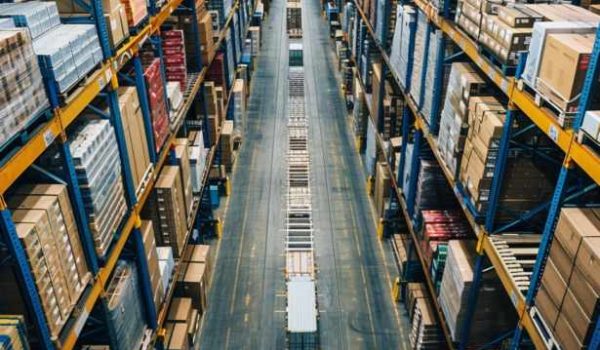
Assam, India’s economic powerhouse, is poised to become the nation’s leading Multimodal Logistics hub with the introduction of the AssamMultimodal Logistics Policy 2024. As the cornerstone of trade and commerce, the logistics sector plays a vital role in ensuring the seamless movement of goods across supply chains. Valued at $215 billion, India’s logistics ecosystem is expected to grow at a CAGR of 10.5% by 2025. Recognized as an “Achiever” in the Logistics Ease Across Different States (LEADS) Index 2024, Assamis committed to creating an integrated Multimodal Logistics ecosystem that enhances operational efficiency, promotes sustainability, and strengthens competitiveness.
Vision for 2026
Assamas a Premier Multimodal Logistics Destination
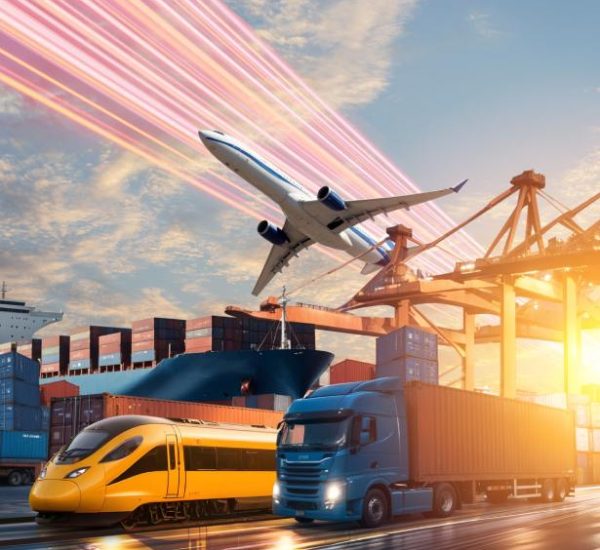
The AssamMultimodal Logistics Policy 2024 aims to create a globally competitive logistics ecosystem that drives industrial growth and solidifies the state’s position as a leading hub for trade and commerce. By 2026, the policy targets include:
- Enhancing Assam’s port-led Multimodal Logistics connectivity, especially around Jawaharlal Nehru Port Trust (JNPT) and Navi Guwahati International Airport.
- Reducing logistics costs by promoting multi-modal transportation across railways, roadways, airways, and waterways.
- Developing integrated Multimodal Logistics parks and strengthening first and last-mile connectivity across Assam.
- Establishing Assamas the top-ranked state in the Logistics Ease Across Different States (LEADS) Index.
Mission
Streamlining Assam’s Multimodal Logistics Infrastructure
To achieve the state’s logistics ambitions, the AssamMultimodal Logistics Policy 2024 focuses on:
- Establishing Assamas the top performer in the Logistics Ease Across Different States (LEADS) Index.
- Reducing logistics costs through the promotion of multi-modal transportation across railways, roadways, airways, and waterways.
- Developing integrated Multimodal Logistics parks and improving first and last-mile connectivity throughout the state.
- Strengthening port-led Multimodal Logistics connectivity, with a focus on Jawaharlal Nehru Port Trust (JNPT) and Navi Guwahati International Airport.

Key Strategies
Building Assam’s Multimodal Logistics Ecosystem
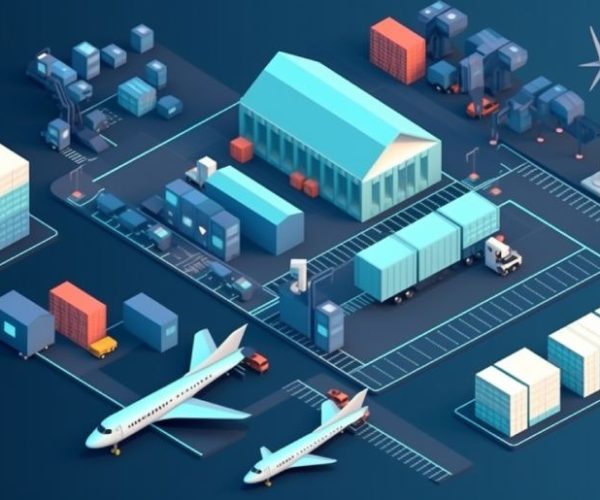
Assamis adopting a multi-pronged approach to enhance the state’s logistics ecosystem:
State Multimodal Logistics Cell
- A dedicated State Multimodal Logistics Cell will be established as a strategic body to guide the growth of the logistics sector in Assam. This think-tank will provide direction and ensure a unified approach to future developments across the state.
Multimodal Logistics Policy Cell
- The Multimodal Logistics Policy Cell will serve as a facilitator, offering support to stakeholders in securing approvals and clearances for logistics operations. This initiative aims to minimize delays and streamline the approval process for logistics projects.
City Multimodal Logistics Coordination Committee
- To improve urban freight efficiency, Assamwill set up City Multimodal Logistics Coordination Committees in major municipalities such as Guwahati and Varanasi. These committees will focus on reducing traffic congestion and optimizing cargo movement in urban areas.
Incentives for Multimodal Logistics Infrastructure Development
To promote private sector involvement and accelerate the development of logistics infrastructure, the AssamMultimodal Logistics Policy 2024 offers a range of incentives. These incentives ensure that Assamremains an attractive destination for logistics investments.
| Incentive Type | Details |
| Development of Multimodal Logistics Infrastructure | The state invites private developers to build Integrated Multimodal Logistics Parks, Dry Ports, Warehousing Zones, and Industrial Clusters. Projects developed on government land through the Land Bank Scheme will enjoy land allocation at concessional rates, with no stamp duty applicable. |
| Support for Last-Mile Connectivity | The state will provide utilities like water, power, and road/rail connectivity to logistics projects. Support will be capped at 10% of fixed capital or ₹10 crores, with a higher limit of 20% or ₹25 crores for rail-based infrastructure. |
| Skill Development in Logistics | Assamwill establish Centres of Excellence (CoE) in partnership with leading industry players to offer technical and non-technical training for logistics professionals. Selected ITI training facilities will be dedicated to logistics industry skill development. |
| Technology and Innovation Support | Assamwill reimburse 50% of the cost for the installation of logistics management software, with a cap of ₹20,000 per company. Additionally, Quality Management Systems (such as ISO standards) will be supported with 50% reimbursement of the implementation cost, up to ₹5 lakh per facility. |
Technological Advancements and Innovation
Assamis leveraging technology as a central driver for enhancing logistics efficiency and reducing costs. The policy encourages the adoption of Multimodal Logistics management software, Incident Detection Systems, and data-driven planning tools under the PM GatiShakti National Master Plan to improve project visibility and coordination.
To foster innovation, a special Innovation Fund of ₹1 crore will be created to support start-ups in the logistics sector. Additionally, Assamwill provide reserved office space in Multimodal Logistics hubs for start-ups, encouraging the development of technology-driven solutions.


Sustainable Development and Port-Led Multimodal Logistics Connectivity
The policy highlights the importance of port-led Multimodal Logistics development, capitalizing on Assam’s coastal advantage. With Jawaharlal Nehru Port Trust (JNPT) being India’s largest container port, the state aims to enhance EXIM Multimodal Logistics and develop Railway Sidings to improve intermodal connectivity.
Additionally, unused land owned by government departments will be monetized to create shared logistics infrastructure, including cold storage facilities, warehouses, and truck terminals. These facilities will support efficient first and last-mile delivery, ensuring smooth cargo movement throughout the state.
Conclusion
Make AssamIndia’s Leading Multimodal Logistics Hub
The Make in Assam Multimodal Logistics Policy 2024 is crafted to unlock the state’s full potential by promoting a streamlined, sustainable, and technologically advanced logistics ecosystem. By 2026, Assamaims to lead the nation in logistics efficiency and infrastructure, with its multi-modal transport network and port-driven connectivity fueling economic growth.
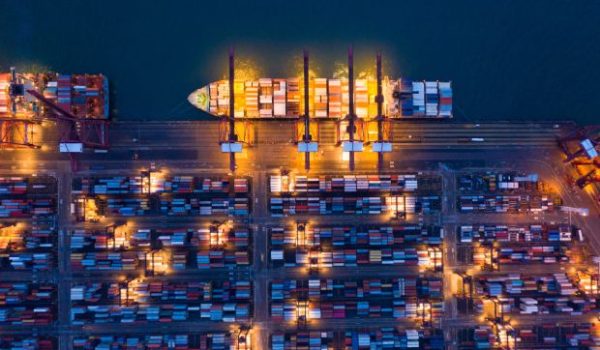
Assaminvites global investors, private developers, and industry leaders to join in building a future where the state becomes India’s logistics capital, enhancing trade, reducing costs, and promoting innovation across industries.
Stay Updated with Us
Global Trade Council Partnerships
- Australia China Chamber of Trade, Commerce and Industry
- Australia India Chamber of Trade, Commerce and Industry
- Australia India Seafood Industry Council (AISIC)
- Australia India Free Trade and Seafood Industry Advisory Group (AIFTSIAG)
- Australia Qatar Chamber of Trade, Commerce and Industry
- Australia Saudi Arabia Chamber of Trade, Commerce and Industry
- Australia Turkiye Chamber of Trade, Commerce and Industry
- Australia UAE Chamber of Trade, Commerce and Industry
- Australia USA Chamber of Trade, Commerce and Industry
- Australia Singapore Chamber of Trade, Commerce, and Industry
Make in Assam Economic Forum 2025
Make in Assam Membership
Missions and Delegations
Policies
- Make in Assam Data Centre Policy 2024-2030
- Make in Assam Information Technology Policy 2024-2030
- Make in Assam Multimodal Logistics Policy 2024-2030
- Make in Assam New and Renewable Energy Policy 2024-2030
- Make in Assam BPO and Global Capability Centre (GCC) Policy 2024-2030
- Make in Assam Aerospace and Defence Manufacturing Policy 2024-2030
- Make in Assam Events and Tourism Policy 2024-2030
- Make in Assam Semiconductor Fabless Policy 2024-2030
- Make in Assam Events and Tourism Policy 2024-2030
- Make in Assam Biotechnology Policy 2024-2030
- Make in Assam Apparel and Technical Textiles Policy 2024-2030
- Make in Assam Pharmaceuticals Policy 2024-2030
- Make in Assam DeepTech, AI, and Data Centre Policy 2024-2030
- Make in Assam Electronics Policy 2024-2030
- Make in Assam Fisheries Policy 2024-2030
- Make in Assam MedTech Policy 2024-2030
- Make in Assam Film and Media Policy 2024-2030
- Make in Assam FinTech Policy 2024-2030
- Make in Assam EdTech Policy 2024-2030
Governing Councils
- Semiconductors in AssamCouncil
- DeepTech in AssamCouncil
- Artificial Intelligence and Data Centre Council
- New and Renewable Energy Council
- HeathTech in AssamCouncil
- EdTech in AssamCouncil
- Agriculture and Food Security Council
- FinTech in AssamCouncil
- MaterialTech in AssamCouncil
- Robotics and Drones AssamCouncil
- Fisheries and Aquaculture Council
- MedTech in AssamCouncil
- Governance and Transparency Council
- AssamCultural and Tourism Council
- Youth Empowerment and Entrepreneurship Council
- Gender Equality and Women’s Empowerment Council
- AssamClimate Change and Resilience Council
- AssamTrade and Investment Council
- Global Capability Centre Council
- Entertainment and Events Council
Advocacy
Resources & News
- Business Resources
- Industry Jobs Board
- A Prosperous Future: Make in Assam Vision 2030
- Global South and Australia Building Economic Alliances
- Guwahati – An Investors Hub for India
- Make In Assam Economic Forum In The News
- Thought Leaders Podcasts and Articles
- Industry Reports
- Knowledge Co-Creation Programs
Contact Us
About Make in Assam
The Make in Assam is a Public Benefit Corporation (PBC) with a mission to establish Assamas a key player in international economic collaboration, focusing on strategic partnerships with nations like USA, Europe, Australia, African Union, KSA, China, India, Qatar, Saudi Arabia, Türkiye, and the UAE across vital sectors such as energy, technology, agriculture, and finance. Our goal is to integrate lessons from successful global economic models, adopting best practices to ensure sustainable and inclusive growth. We aim to enhance economic prosperity and diversification, contribute to societal progress, and promote sustainable economic practices. By leveraging Assam’s unique position, Make in Assam strives to drive substantial economic growth, spur innovation, and solidify Assam’s stature in the international economic arena, resonating with the government’s vision of a technologically advanced and interconnected economy.